


The logistics industry is changing very fast, with manual processes as well as paperwork being replaced by smarter and more advanced systems. The need for quicker plus more dependable supply chains is growing as companies venture into new markets. Logistics innovation is a must for businesses to be competitive in 2026. By embracing these changes, businesses can streamline their operations, cut costs, and manage daily operations more effectively when working with a reputable logistics partner in Dubai.
Why Logistics Innovation Matters Today
Logistics plays a direct and critical role in the overall performance of any modern business. Delays, small inefficiencies, and a simple lack of visibility can quickly affect delivery timelines also lowering customer satisfaction levels. This is why companies are now investing heavily in innovations in logistics that improve speed plus accuracy, while boosting operational flexibility.
Modern supply chains are now expected to handle much higher volumes of goods while maintaining perfect reliability. This requires the use of smarter digital systems, better coordination between different departments, alongside a much-improved use of existing resources. Innovation helps businesses meet these high expectations without increasing the pressure on their staff, together with their monthly budgets.
Automation is Reshaping Logistics Operations
Automation is one of the most noticeable and impactful trends in logistics today. Many modern warehouses and distribution centers, along with regional transport systems, are now using automated solutions to improve their daily efficiency.
Robotic systems are being used more frequently to handle repetitive tasks like sorting and packing, alongside the movement of heavy inventory across the floor. Manual effort is reduced by these machines, while speed together with picking accuracy, is greatly improved at the same time. Real-time shipment monitoring is made possible for businesses through automated tracking systems, whereby the necessity for constant phone calls and manual follow-up emails is removed. A core element of innovation in logistics and supply chain management is seen in this technological change. As a result, these tools bring better decision making and more beneficial coordination.
Innovation in Warehousing is Driving Efficiency
Warehousing is no longer viewed as just a place for simple storage or holding goods. It is now treated as a central and strategic part of a complete logistics plan. Innovation in warehousing is making it easier for businesses to manage their inventory and deal with typical delays that are part of the shipping process.
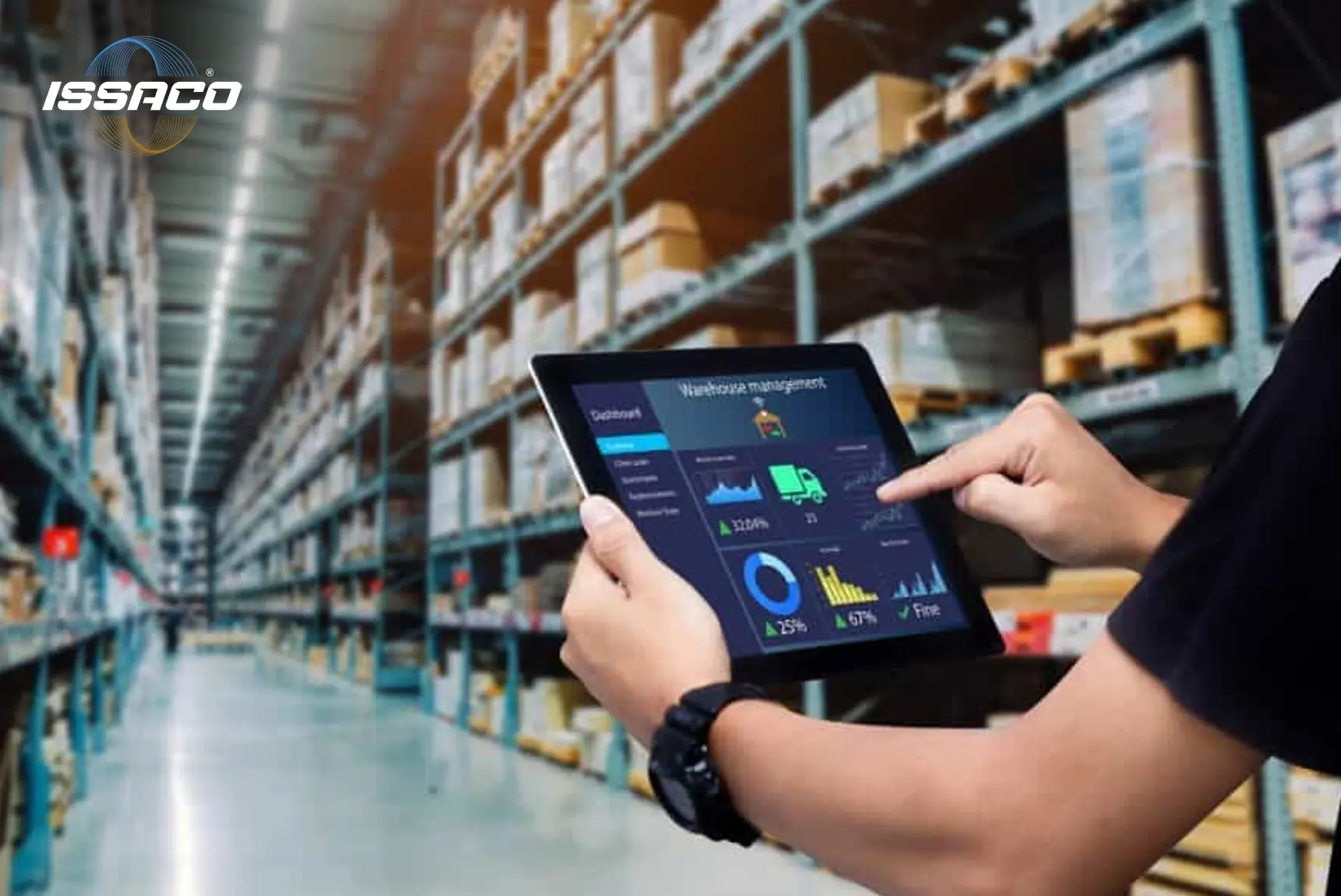
Today, smart solutions, like automated storage as well as retrieval, digital inventory management, alongside real-time data analysis, are used in modern warehouses. Businesses use these to ensure they can find out at any second what’s happening to their possessions. In addition, new space optimization techniques are being used to improve total storage capacity. Vertical storage systems, compact shelving, alongside better floor layout planning, allow warehouses to handle much more cargo without the need to increase their physical footprint, together with paying for more expensive rent. For businesses working with a logistics company in Dubai, these advancements can improve the flow of inventory, along with significantly reducing the time spent handling goods manually.
Data and Visibility are Becoming Essential
Data is playing a much bigger plus more influential role in logistics than ever before. Companies are now using advanced analytics to understand buying patterns, predict future demand, alongside planning their shipments more effectively before a busy peak season begins.
Real-time visibility allows businesses to track their goods at every single stage of the journey, from the factory floor all the way to the customer’s front door. This reduces uncertainty, helps in making quick decisions when a problem arises, together with improving the way information is shared with the end customer. As part of the broader innovation in logistics, data-driven systems are helping companies to identify potential delays early, optimize their delivery routes, along with managing their warehouse inventory with much higher levels of efficiency.
Sustainability is Shaping Logistics Decisions
Sustainability is no longer seen as an optional goal or a simple PR move for big corporations. Businesses are now expected by both the public and the government to reduce their environmental impact while still maintaining high levels of efficiency. This demand has led to several innovations in logistics that are focused purely on eco-friendly practices.
Companies are also adopting the use of fuel-efficient means of transport, simplifying their delivery channels to save on gas, as well as finding other ways of reducing packaging waste. The use of electric delivery vehicles, alternative fuels, and more environmentally friendly warehousing options that use solar energy is increasingly widespread in 2026. These changes not only add to the environmental goals but also make the changes cost-effective in the long run. In the case of businesses in such areas as Dubai, alignment with sustainable practices is becoming an extremely significant aspect of contemporary logistics planning.
Digital Integration Across Supply Chains
Another major trend in innovation in logistics and supply chain management is the rise of full digital integration. Every different part of a supply chain is now being connected through centralized, cloud-based systems that everyone can see.
This relationship enables a much-improved coordination of suppliers, warehouses, and transport providers. Information has been found to pass with ease, and this minimizes the delays that are usually brought about by miscommunication, as well as lost paperwork. These complicated logistics operations are now being managed by cloud-based platforms. They enable business owners to view their data anywhere in the world, and hence it is easier to track the performance and also manage significant shipments in real time, either using a mobile phone or a laptop.
Last-Mile Delivery is Evolving
Last-mile delivery has always been known as one of the most challenging also expensive parts of the entire logistics process. In 2026, new as well as creative approaches are being used to improve this final stage of the journey.
Route optimization tools are being used to help drivers choose the fastest plus least congested paths through busy urban areas. Advanced delivery tracking systems provide real-time updates together with “live maps” to customers who are waiting for their packages. Autonomous delivery vehicles along with drones, are being tested in some specific regions, especially in the crowded city centers. This is one of the key areas of innovation in logistics, because the primary focus is to reduce the delivery time while maintaining accuracy.
Flexible and Scalable Logistics Solutions
The current business environment needs a logistics solution that can respond swiftly to fluctuating customer demand. The changes in seasons, spur-of-the-moment market movements, and even unforeseen global shocks all demand systems that are capable of flexing without fracturing.
The current logistics providers have become highly scalable to such an extent that they can be customized according to the needs of the business at that particular time. This is in terms of flexible warehousing capacity, adaptable transport capacity, and custom shipping solutions to various kinds of cargo. By having a good logistics company in Dubai, businesses are able to expand or reduce their operations without necessarily investing a lot of money in their own costly infrastructure. This elasticity helps in the expansion of business and significantly decreases the operational risks involved.
Challenges and the Path Forward
While the benefits of innovation are very clear, selecting these new systems can sometimes come with certain challenges. Initial investment costs can be high, together with the time being spent on training staff to use new software or specialized machinery.
However, these challenges are often found to be temporary. Over time, the improved efficiency, the reduction in human errors, along with the better management of resources, help to more than offset the initial effort as well as cost. Businesses that take a careful, gradual approach to adopting innovation in logistics and supply chain management are much more likely to see lasting success alongside a high return on their investment.
Final Words
The world of logistics is changing at a very rapid pace, and 2026 still offers new as well as exciting opportunities for improvement. Knowing about innovation in logistics, the businesses will be able to improve their performance, decrease their overheads alongside better respond to the expectations of their customers. It can be innovation of warehousing, digital integration, or more intelligent last-mile delivery systems, but the positive contribution to a business is evident. By collaborating with a reliable logistics company in Dubai, these innovations will be implemented successfully, and businesses will have more robust and reliable systems in the future.
FAQs
1. What is innovation in logistics?
It refers to the use of new technologies, systems, and processes to improve efficiency, speed, and accuracy in supply chains.
2. How is innovation in warehousing improving logistics?
It uses automation, smart storage, and real-time tracking to manage inventory more efficiently.
3. Why is data important in logistics innovation?
Data helps businesses track shipments, predict demand, and make better operational decisions.
4. How can a logistics company in Dubai support innovation?
They provide advanced systems, flexible solutions, and expertise to help businesses improve logistics performance.