


Packaging is no longer seen as just a way to wrap a product for retail. A direct and vital role is now played by packaging in how goods are moved, how safely they arrive at their destination, and the overall cost of delivery. As global trade grows and supply chains become more complex, more attention is being paid to how packaging can improve every stage of logistics.
Today, waste is reduced, and shipping costs are lowered through constant packaging innovation. Better designs and new, resilient materials are being used to make supply chains faster and more reliable. For businesses that work with a logistics company in Dubai, these changes are felt in both lower overhead costs and smoother daily operations.
Why Packaging Matters in Logistics Today
Every single shipment is dependent on the quality and design of its packaging. Goods are protected during long transit periods, and the total amount of space taken in a shipping container is decided by the dimensions of the box. When poor or oversized packaging is used, product damage and higher freight costs are often the result. On the other hand, warehouse storage is improved, and financial risks are lowered when well-designed packaging is picked for the task.
Modern logistics is not just about moving items from one point to another. It is also about saving space and preserving resources. This is where innovative packaging systems are used. They are specifically designed so that faster manual handling and safer transportation across sea, air, and land are supported.
The Role of Innovation in Packaging
Both the function of the box and the sustainability of the material are improved by packaging innovation. Materials that reduce environmental waste while keeping heavy or fragile products safe are now being used by many global businesses.
For example, total shipping weight is lowered when lightweight, high-strength materials are picked. This leads to much lower freight costs, which is especially important for expensive air travel. At the same time, the chance of expensive damage is reduced by using stronger, shock-absorbent materials. Money is saved for the business, and reliability is improved for the end customer.
Another big part of this shift is innovative packaging design. Boxes are now made to fit products exactly, leaving no room for movement. Empty space is reduced, which means more items can be loaded into a single shipment. Because of this, the entire transportation process is made more efficient and profitable.
Sustainable Packaging Innovations in Logistics
Sustainability is now a major focus for almost every industry. In the past, excessive packaging waste was a big concern for those managing logistics. However, this is being changed by sustainable packaging innovations.
A major shift is being made toward materials that are easily recyclable or fully biodegradable. Product safety is maintained while the environmental footprint of the company is protected. Paper-based wraps, mushroom packaging, and reusable plastic containers are now widely seen across the industry.
Global environmental standards and shipping laws are met when innovative, sustainable packaging is used. A company’s brand image is improved in the eyes of the public, and long-term costs are lowered because less raw material is wasted. For those working with a logistics company in Dubai, these eco-friendly choices also match local green initiatives and growing customer demands for “green” shipping.
How Smart Packaging Improves Efficiency
Packaging is becoming much smarter through the use of technology. It is no longer just a physical box; valuable data and information are now carried by it. QR codes, RFID tags, and smart labels are being added to innovative packaging systems to bridge the gap between physical goods and digital tracking.
Shipments can be tracked in real time with high accuracy because of these features. Inventory management is improved because goods are scanned instantly at the warehouse gates. Manual work is reduced, and fewer human errors are made during the counting process. Additionally, specialized temperature sensors are included in some packaging. This is used to keep food and medicine fresh during transit so that expensive product loss is avoided.
The Impact of Packaging on Warehousing
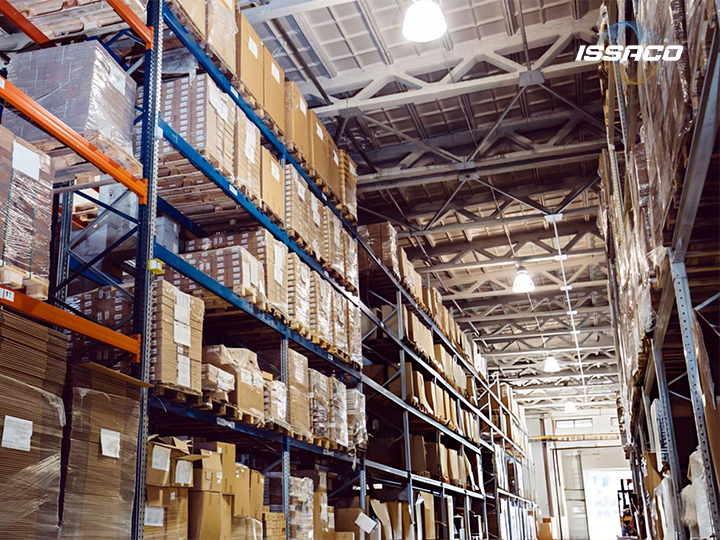
Warehouse operations are directly influenced by the way products are packaged before they arrive. When innovative packaging systems are used, the time spent moving, picking, and sorting goods is greatly reduced. Standardized box sizes allow for the better use of vertical space on tall storage racks, which means much more inventory can be stored in the same building footprint.
Labor costs are also lowered when packaging is designed for easy manual or robotic handling. If boxes are made with better grip points or clear, high-contrast labeling, they are moved more safely by staff and forklifts alike. This prevents workplace injuries and ensures that the flow of goods through the warehouse remains steady and uninterrupted.
Space Optimization and Cost Reduction
One of the most immediate benefits of packaging innovation is that shipping space is used more efficiently. Traditional, “one-size-fits-all” boxes often have large empty gaps, which makes shipping much more expensive than it needs to be.
With innovative packaging design, compact and custom-shaped boxes are created to fit products perfectly. More items are allowed into trucks, planes, or ocean containers. As a result, the total number of trips needed to move a large order is reduced. Foldable or stackable designs also make the return of empty packaging and warehouse storage much easier. These small changes lead to massive savings in fuel and labor over time.
Innovations in various industries
Various industries are choosing their own distinctive packaging solutions to address their own logistics challenges:
Beauty and Personal Care:
Innovative cosmetic packaging is applied in the beauty world. Glasses and lightweight recycled plastics are chosen to help reduce shipping weight and to decrease plastic waste.
Electronics:
Foam replacements and shock-absorbing forms have been created in the technology sector to ensure that delicate screens and circuit boards are not damaged during extended journeys.
Food and Beverage:
Insulated boxes and vacuum seals are applied to maintain quality and to avoid spoilage of food in various climates in food logistics.
All the examples demonstrate how the right packaging is adopted as an instrument to accommodate the particular requirements of logistics.
Don’t miss comparison if you are choosing between air or sea freight: Sea Freight vs Air Freight: Cost, Speed & Reliability Comparison for GCC Shippers
Standards and Quality Control of Packaging
There are high standards that are highly followed to make sure that innovation is not at the expense of product safety. All new materials have quality control tests to verify their stacking strength, moisture resistance, and long-term durability. These standards are of particular concern to a logistics company in Dubai because the extreme heat and humidity, which cargo can encounter on the docks or during transit, are extremely dangerous.
Audits conducted regularly help ensure that the quality of packaging is the same among various suppliers. When the materials are standardized throughout an entire business, the chance of human error in the packing process is reduced. This is because all customers will get their order in perfect condition, no matter how many thousands of miles it has covered.
Challenges and the Future of Packaging
Some challenges are always faced when new packaging technologies are first adopted. Higher costs might be seen at the start when advanced, eco-friendly materials are first purchased. There is also a need to retrain staff on new packing methods. However, these are usually short-term issues that are quickly resolved. The money saved from having fewer damaged goods and lower freight bills is almost always found to be greater than the initial spend.
The future is moving toward even greener and more automated solutions. Automation will be used more in warehouses to speed up the packing and sealing process with zero errors. Digital features will be added to every box to improve how we see and manage the global supply chain. Businesses that invest in these systems now will be better prepared to move goods fast and meet the high expectations of tomorrow’s market.
Final Words
Packaging is a powerful strategic tool used to improve logistics efficiency and lower operational costs. Every single stage of the supply chain is optimized through smart packaging innovation. From real-time tracking to better physical designs, the positive impact is clearly seen in the bottom line. When a reliable logistics company in Dubai is partnered with, these new tools are used effectively to help a business stay competitive in a fast-paced world.
FAQs
1. How does innovation in packaging improve logistics efficiency?
It improves space usage, reduces damage, and speeds up handling and transportation.
2. What is innovative sustainable packaging?
It uses eco-friendly materials like recyclable or biodegradable options to reduce waste, alongside maintaining product safety.
3. Why is innovative packaging design important in shipping?
It helps reduce space, lowers shipping costs, and improves storage and transport efficiency.
4.What are innovative packaging systems in logistics?
They include smart packaging with tracking, labeling, and automation features to improve visibility and control.