


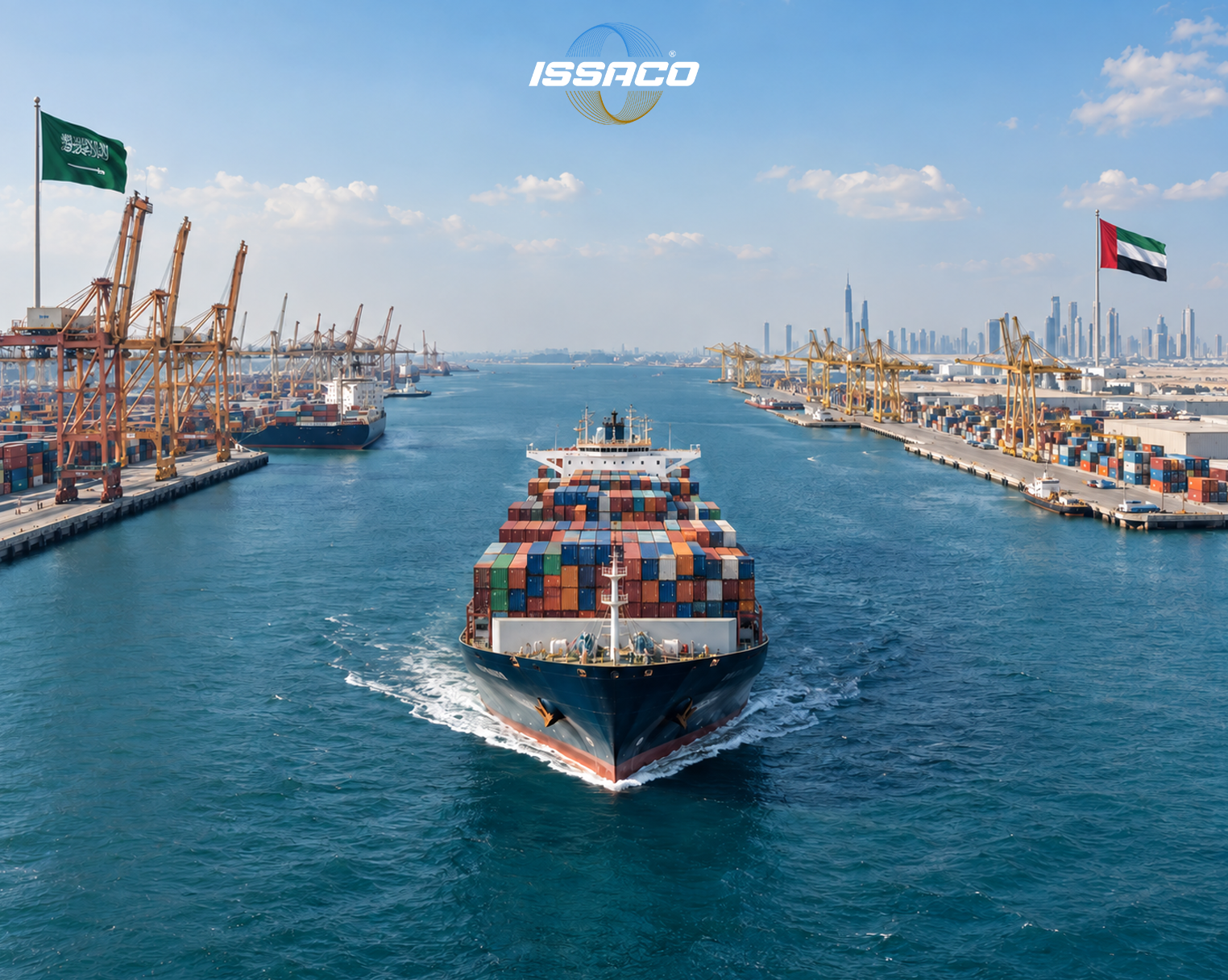
Saudi Arabia and the UAE share a very busy GCC trade corridor and it’s expanding every year. Thousands of containers move between the UAE and Saudi Arabia every month. This trade supports various businesses from different industries in these countries. Of the most frequent transit routes, shipping from Jeddah Port to Jebel Ali Free Zone plays a crucial role in this trade.
This route supports regional trade, manufacturing, as well as retail plus re-export businesses. Understanding this route helps businesses and traders plan their imports more effectively and on time. This knowledge prevents unnecessary delays during complex logistics operations.
Why the Jeddah to Jebel Ali Route Is Important for GCC Trade
Trade is continuously increasing between KSA and the UAE. Both countries strengthen regional supply chains plus invest in logistics. Businesses regularly transport consumer goods and industrial equipment between markets. Automotive parts along with construction materials also move across this route. The sea route provides a reliable, inexpensive transportation option.
Jeddah Port is Saudi Arabia’s biggest port on the Red Sea. It is the main harbor for trade with other countries. The port handles a major share of the KSA container traffic. It connects Saudi businesses with major shipping lines across Asia. On the UAE side. Jebel Ali Port is the largest container port, and it is considered to be the gateway to Jebel Ali Free Zone.
Advanced container terminals allow businesses to distribute imported cargo efficiently. Companies can re-export shipments to more than 150 international destinations. These two ports create one of the GCC’s most efficient corridors.
Understanding the Sea Freight Route from Jeddah Port to Jebel Ali
Shipping from Jeddah Port to Jebel Ali Free Zone is a business-critical route. Vessels travel down the Red Sea. Passing through the Bab-el-Mandeb Strait into open waters. They then cross the Arabian Sea to deliver goods directly into Dubai’s primary trade zone.
These shipments then pass through the Gulf of Oman alongside the Strait of Hormuz. In the final step. These vessels arrive at Jebel Ali Port in Dubai smoothly. Some services operate as direct sailings between these two ports. Others include a transshipment stop at regional hubs before continuing. The chosen route depends on vessel schedules plus cargo volume. Carrier networks and operational requirements also influence this specific decision.
This corridor remains a highly reliable sea freight route today. The route offers excellent connectivity alongside streamlined customs procedures. It suits both domestic distributions along with international re-export operations perfectly.
Sea Freight Options Available for This Shipping Route
There are various sea freight services available for businesses to send goods from Jeddah to Jebel Ali. It depends on the quantity of goods, the type of cargo, and the delivery needs. Selecting the right option can help to make sure that transportation costs, cargo safety, as well as transit efficiency are balanced.
Full Container Load (FCL)
Full Container Load (FCL) is the right option for companies with a high volume of cargo to transport that require a complete container. The container is used for one shipment only. It means it provides increased cargo security, reduced handling during shipping, and quicker loading and unloading at both ports. FCL is the preferred option for manufacturers, distributors, as well as for businesses importing large volumes of goods.
Less than Container Load (LCL)
For smaller shipments, businesses can opt for Less than Container Load (LCL), which involves sharing container space with other businesses. Importers are only charged for the space their cargo takes up in the container, rather than paying for the whole container. This makes LCL an affordable choice for SMEs, frequent restocking, and smaller imports.
Specialized Sea Freight Solutions
Some shipments require special equipment or handling. Oversized machinery, industrial equipment, and construction materials can be shipped as breakbulk or project cargo; food products, pharmaceuticals, and other thermal goods can be shipped in reefer containers for temperature control during the voyage.
The best shipping method will depend on the amount of goods, how they are handled, the time of delivery, and the cost of the logistics. A seasoned freight partner can suggest the appropriate answer according to your shipment needs.
Transit Time for Shipping from Jeddah Port to the Jebel Ali Free Zone
Transit times vary depending on the shipping line and its schedule. Direct sea freight services generally take 5 to 8 days. This timeframe applies to port-to-port movements under normal conditions. Cargo routed through another regional hub takes approximately 7 to 12 days. Customs inspections as well as public holidays can influence the final delivery. Port congestion plus adverse weather conditions also cause occasional delays.
Sea freight takes longer than air transportation naturally. It remains the preferred choice for businesses shipping large volumes. This method offers greater cost efficiency for regional trade.
What Can You Ship Through This Route?
The shipping corridor supports a wide variety of commercial cargo. Manufacturers, together with wholesalers, use this route to transport goods efficiently. Distributors and retailers rely on this reliable regional connectivity constantly. Common shipments include consumer goods and packaged food products daily. Textiles and industrial machinery are also frequently transported here safely.
Construction materials along with automotive spare parts move across this route. Electronics as well as household products are also common commercial shipments. The route supports project cargo for infrastructure developments across the UAE. Hazardous materials alongside controlled pharmaceuticals require additional approvals first. Businesses must verify import regulations before booking any cargo.
Shipping Costs: What Businesses Should Expect
Businesses often ask about the cost of this shipping route. The final freight rate depends on the shipment size. Container type plus shipping line also affect the total cost. Fuel prices and terminal handling charges influence the final price. Businesses shipping large volumes benefit from lower costs per unit. Smaller shipments reduce expenses through consolidated cargo services effectively.
Estimated 2026 Sea Freight Rates
| Shipment Type | Estimated Freight Cost (AED) |
| LCL (Less than Container Load) | AED 350–650 per CBM |
| 20-ft Container (FCL) | AED 2,400–3,600 |
| 40-ft Container (FCL) | AED 3,900–5,800 |
These estimates cover the ocean freight portion only. Additional charges may include:
- Terminal Handling Charges (THC)
- Documentation fees
- Customs duties (where applicable)
- Free Zone handling charges
- Inland transportation
- Cargo insurance (optional)
Freight rates depend on the carrier schedules, market demand, together with fuel surcharges. It is also advisable to get a quotation specific to the shipment for this reason.
Customs Clearance at Jebel Ali Free Zone
The shipment enters the customs clearance process upon vessel arrival. Cargo must be cleared before release into the Free Zone. The importer submits required shipping documents to Dubai Customs. Authorities may inspect the cargo depending on its declared value. Regulatory requirements also dictate the need for physical inspections.
Documentation is approved before any applicable duties are settled. The cargo is then released for collection or onward transportation. Importing into JAFZA offers highly efficient customs procedures. Businesses benefit from streamlined logistics processes within the Free Zone.
Documents Required for Sea Freight Shipments
Completing accurate and correct paperwork helps businesses avoid unnecessary customs delays. Documents required for commercial shipments are listed below:
- Commercial Invoice
- Packing List
- Bill of Lading (B/L)
- Certificate of Origin
- Import Permit (when required)
- Delivery Order
- Insurance Certificate (if cargo is insured)
Additional approvals may be necessary for food products, pharmaceuticals, chemicals, as well as for other regulated goods, and depend on UAE import regulations.
Reliable Logistics Makes Every Shipment More Efficient
Successful international shipping depends on more than securing vessel space. It requires accurate documentation plus daily customs coordination. Shipment tracking alongside timely delivery planning keeps cargo moving.
Working with an experienced shipping company in Dubai helps businesses manage processes. This reduces unnecessary delays during complex international trade operations. ISSACO provides end-to-end sea freight services from Saudi Arabia. Our team supports businesses with practical logistics solutions consistently. We handle freight bookings as well as customs documentation seamlessly today. Cargo monitoring plus final delivery are managed by our experts.
Final Thoughts
Shipping from Jeddah Port to the Jebel Ali Free Zone is one of the crucial trade routes. But before the shipment moves, it needs proper planning alongside proper and accurate documents. The right selection of the logistics company in the UAE, as well as clear customs preparation, also makes the process much smoother.
Transit time and shipping costs should also be reviewed before booking cargo. When these details are considered early. Businesses as well as traders can move goods with high confidence and also keep their supply chain running flawlessly.
Frequently Asked Questions
1. How long does shipping from Jeddah Port to the Jebel Ali Free Zone take?
The sea freight takes around 5 to 8 days. Sometimes hub congestion or vessel delays, together with customs clearance delays, increase the overall shipment time. But it takes between 7 and 11 days.
2. How much does it cost to ship a container from Jeddah to Jebel Ali?
Expect prices to range from AED 2,400 to AED 3,600 for a 20-ft container. A 40-foot container normally ranges from AED 3,900 to AED 5,800. But it also depends on the shipment details and complexities. LCL rates usually start from AED 350 per CBM, although the final cost may vary based on the shipment.
3. Can I ship less than a full container from Jeddah?
Indeed, LCL services are available for businesses that have smaller shipments. Cargo is consolidated with other shipments in this model. This decreases transportation expenses when a complete container is not needed.
4. Which port handles shipments arriving from Jeddah in Dubai?
Jebel Ali Port receives most of the commercial shipments directly. It is directly linked to Jebel Ali Free Zone. This port is a key logistics hub in the region.
5. What documents are required for shipping from Jeddah to Jebel Ali?
A commercial invoice and packing list are normally used for commercial shipments. A bill of Lading and a certificate of origin are a must. Import permits may also apply to your specific cargo.
6. Can cargo shipped to Jebel Ali Free Zone be re-exported?
Yes, businesses can store, process, and re-export cargo internationally. This specific Free Zone has a proper logistics infrastructure for trade. It also offers a strategic geo-location.
7. What types of cargo are commonly shipped between Jeddah and Jebel Ali?
This line is often used for consumer goods and food products. This corridor is used every day for the transportation of machinery along with automotive parts. Additional approvals may be required for regulated goods before shipment.
8. Is cargo insurance recommended for sea freight shipments?
Yes, cargo insurance is a financial safeguard against unforeseen circumstances. It provides adequate protection for damage and loss plus unexpected transit interruptions. Today it is strongly recommended for valuable commercial shipments.
9. Can businesses track their sea freight shipment during transit?
Yes, most international shipping lines make it easy to track shipments. The Bill of Lading can be used to track cargo. The container number also enables real-time monitoring of journeys.
10. Why do many businesses choose Jebel Ali Free Zone for imports?
JAFZA offers modern logistics infrastructure plus efficient customs procedures. Excellent connectivity to international markets through warehousing facilities. It continues to be a favorite place for importers and re-export companies.