


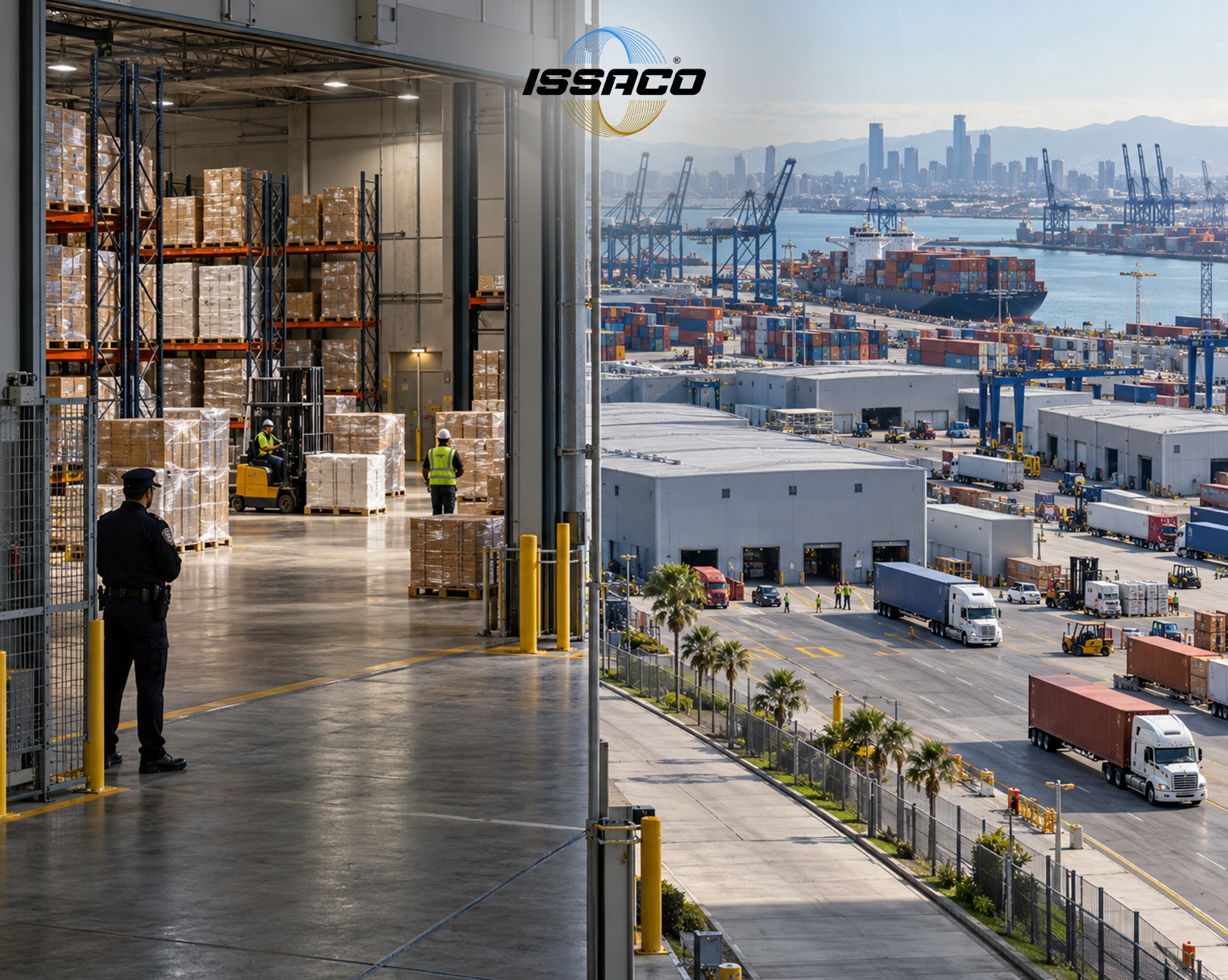
Businesses importing goods into Dubai may use different storage arrangements based on their trade plans. Bonded warehousing and free trade zone facilities both support international cargo. But their customs treatment is different.
The right option depends on whether goods will enter the UAE mainland, remain in storage or move to another country. Understanding these differences assists businesses manage duties, storage and re-export easily. A suitable warehousing in Dubai solution can also connect storage with freight and distribution.
What Is Bonded Warehousing?
A bonded warehouse is a licensed facility where imported goods remain under customs supervision. Customs duty does not have to be paid immediately. Goods remain under the applicable warehouse procedure. Dubai Customs licenses both public and private customs warehouses for this purpose.
This arrangement can help businesses delay duty payment until goods are released for local consumption. Eligible goods can also be re-exported without entering the UAE local market, subject to the applicable customs procedure.
Bonded facilities are useful when businesses need controlled storage before deciding whether cargo will enter the local market or move overseas.
What Is an FTZ Warehouse?
An FTZ warehouse meaning refers to a warehouse operating within a designated free trade zone. In the UAE, free zones provide a separate customs environment that supports international import, export and re-export activities.
The UAE Government states that goods imported into a free zone generally do not attract UAE customs duty while they remain there or are re-exported. If goods move into the UAE mainland, applicable customs requirements and duties come into effect.
FTZ warehouses can therefore suit businesses using Dubai as a regional distribution or re-export base. Many free zones are also located close to ports and airports, supporting faster cargo movement.
Bonded Warehouse vs FTZ Warehouse
The main difference comes down to customs status, duty treatment and the way goods are managed.
| Factor | Bonded Warehouse | FTZ Warehouse |
| Customs status | Goods remain under customs control | Goods remain within the free-zone customs regime |
| Duty treatment | Duty is deferred under the applicable procedure | Generally no UAE customs duty while goods remain in the free zone |
| Re-export | Supported under customs procedures | Well suited to international re-export |
| Mainland entry | Customs clearance is required | Customs clearance is required |
| Storage | Subject to applicable customs rules | Governed by free-zone rules |
| Operations | Storage plus permitted handling | Storage plus activities permitted by the zone |
| Main use | Controlled storage and duty deferment | International trade and redistribution |
(Note: The exact treatment can vary according to the cargo, declaration and location. Businesses should therefore confirm the applicable rules before moving goods.)
Duty Treatment and Re-export
A duty free warehouse does not necessarily mean that goods are permanently exempt from customs duties. In many cases, the benefit is a deferral while goods remain under customs control.
Dubai Customs allows customs warehouses to store goods without immediate duty payment. A guarantee may be required to cover potential customs duties.
Free zones have a different structure. Goods can generally be imported into the free zone without UAE customs duty while they remain there or are re-exported. If they enter the UAE mainland, customs clearance and applicable duties become relevant.
For re-export shipments, proof of export is important. Dubai Customs lists exit or entry certificates, export declarations and transport documents among the proof required for eligible refund or guarantee-release claims.
Storage and Permitted Activities
The activities allowed inside each facility depend on the applicable customs and zone regulations.
Bonded facilities mainly support controlled storage. Certain activities such as inspection, sorting, packing or repacking may be permitted under the relevant procedure. They are generally more restricted when compared with broader FTZ operations. Dimerco highlights this distinction in its comparison of bonded warehouses and FTZ facilities.
FTZ facilities can offer greater operational flexibility depending on the specific free zone. Some zones provide warehouses designed for manufacturing, processing, assembly or distribution. The permitted activity still depends on the company’s licence and the individual free-zone regulations.
For this reason, businesses should check the actual activities allowed before selecting a facility.
Which Option Fits Your Business?
A bonded facility can suit businesses that mainly need controlled storage before local release or re-export. It can also help defer customs duty while goods remain under the applicable customs procedure.
An FTZ warehouse can be more suitable for companies focused on international trade, regional distribution or frequent re-export. Free-zone infrastructure can also provide access to ports, airports, logistics services and dedicated commercial facilities.
The decision should consider the destination of the goods, storage requirements and planned warehouse activities. Customs procedures should also be reviewed before cargo is moved.
How ISSACO Supports Warehousing in Dubai
ISSACO provides Warehousing in Dubai for businesses managing local and international cargo. Our solutions support secure storage, inventory management and cargo handling across different business requirements.
Services can include bonded storage, cross-docking, cargo consolidation, along with order fulfilment and container handling. Warehousing can also be coordinated with air, sea together with land freight to support onward distribution.
For businesses using Dubai as a regional logistics base. This integrated approach helps connect storage with wider cargo movement.
Final Thoughts
Choosing between bonded warehousing and an FTZ warehouse depends on how cargo will be stored, together with its handling and movement. Each option has different customs requirements that should be reviewed before shipping. The right facility can help manage storage while keeping cargo movement organised. Businesses should consider their trade plans, destination and warehouse activities before selecting an option.
FAQs
What is the difference between bonded warehousing and FTZ warehousing?
Bonded warehousing keeps imported goods under customs control. FTZ warehousing operates within a designated free-zone customs environment.
What does FTZ warehouse mean?
An FTZ warehouse is a storage facility located within a free trade zone. It is for international trade, storage plus re-export activities.
Is a bonded warehouse duty-free?
Not necessarily. Customs duty is generally deferred while eligible goods remain under the applicable bonded warehouse procedure.
Can goods be re-exported from a bonded warehouse?
Yes. Eligible goods can be re-exported without entering the UAE local market, subject to the applicable customs procedure.
Can goods move from an FTZ to the UAE mainland?
Yes. But the goods must complete the applicable customs clearance process before entering the mainland market.
Which option is better for international traders?
The suitable option depends on the cargo, storage period, destination and planned activities. An FTZ may suit international distribution, while bonded warehousing can suit controlled storage with deferred duty treatment.