


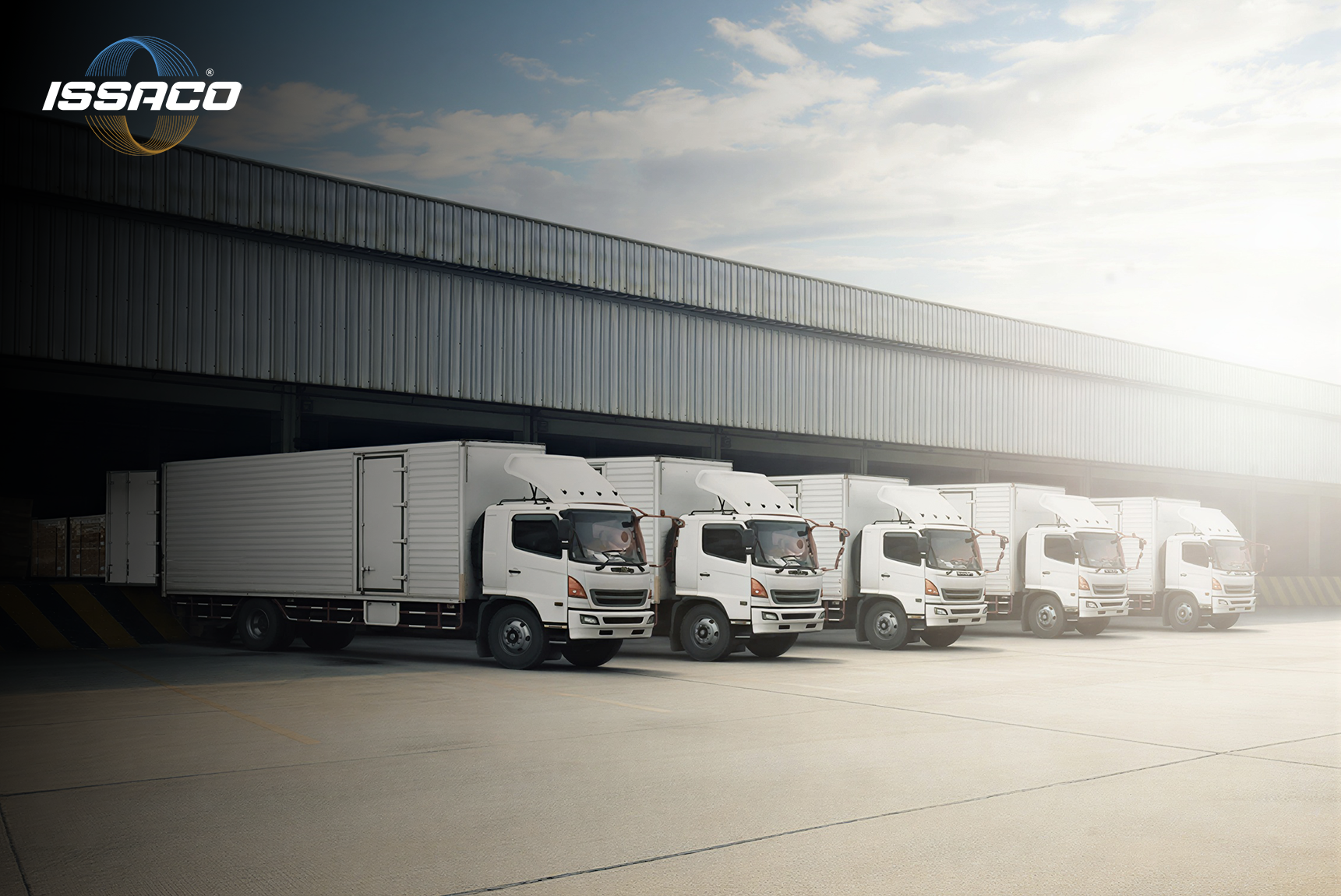
شهدت التجارة بين مجلس التعاون الخليجي ودول أخرى نموا بوتيرة سريعة في السنوات القليلة الماضية. الشركات تنقل السلع بشكل أسرع، وسلاسل التوريد أصبحت أكثر ارتباطا، مع استمرار ارتفاع توقعات العملاء. برزت دبي كواحدة من أقوى مراكز اللوجستيات في المنطقة، في خضم هذا النمو.
وتتصدر دبي كمركز محوري للشحن البري في الخليج بفضل موقعها الاستراتيجي، وبنيتها التحتية المتطورة، ومرونة الربط عبر الحدود الدولية. وسواء كان الأمر يتعلق بسلع التجزئة، أو الآلات الصناعية، أو المنتجات الاستهلاكية سريعة الدوران (FMCG)، وشحنات التجارة الإلكترونية، فإن خدمات الشحن في دبي تُعد شرياناً حيوياً لنقل البضائع بكفاءة عالية.
مع تزايد الطلب على التجارة الإقليمية، زادت أهمية الشحن البري في دبي بشكل كبير. تفضل الشركات دبي لشحن البضائع إلى السعودية والبحرين والكويت وإلى أسواق دول مجلس التعاون الخليجي الأخرى كقاعدة لوجستية مركزية للتوزيع.
الموقع الاستراتيجي لدبي يدعم التجارة الإقليمية
أحد المحركات الرئيسية هو الموقع الجغرافي لنمو قطاع الخدمات اللوجستية في دبي. تقع في قلب آسيا والشرق الأوسط بالإضافة إلى أفريقيا. يتيح ذلك للشركات الوصول إلى عدة أسواق في مجلس التعاون الخليجي باستخدام بنية تحتية مناسبة للطرق.
كما أن الشحن البري خيار أفضل للشركات التي تحتاج إلى نقل البضائع إلى الدول المجاورة، حيث يوفر مرونة بالإضافة إلى وصول أسرع إلى المنطقة. يمكن بسهولة ربط حركة الشحن في دبي بالسعودية والبحرين والكويت وعمان بالإضافة إلى قطر عبر الطرق القائمة.
ساهم هذا الموقع المركزي بشكل ملحوظ في تحول دبي إلى مركز للشحن البري لعمليات التجارة الإقليمية.
بنية تحتية قوية للطرق في جميع أنحاء الإمارات
لقد بذلت دبي جهدا كبيرا لتطوير بنيتها التحتية للنقل خلال السنوات القليلة الماضية. لقد أدى تطوير الطرق السريعة الحديثة والبنية التحتية الفعالة للنقل إلى جانب الربط الحدودي في تحسين نقل البضائع في المنطقة.
تسمح شبكة الطرق في الإمارات للشاحنات بنقل البضائع بسلاسة بين الموانئ والمستودعات والمناطق الحرة، بالإضافة إلى نقاط التفتيش الحدودية. سيؤدي ذلك إلى أوقات سفر أسرع بالإضافة إلى تقليل التأخيرات بسبب حركة المرور وسوء التوجيه.
ستجد الشركات التي تقوم بأنشطة الشحن البري المتكررة في دبي أن البنية التحتية القوية تساهم بشكل مباشر في أداء سلسلة التوريد. كما يوفر جدولة أفضل للتوصيلات ويقلل من مخاطر النقل.
علاوة على ذلك، اعتمدت شركات الشحن في دبي أنظمة تخطيط مسارات متطورة لتحسين استهلاك الوقود وتتبع الشحنات.
دبي تربط بين طرق الشحن الرئيسية لمجلس التعاون الخليجي
برزت دبي كمركز مهم لتوزيع البضائع الإقليمية، وأصبحت مركزا رئيسيا لخدمات الشحن لعدة طرق تجارية في منطقة مجلس التعاون الخليجي.
من دبي إلى البحرين
خدمات الشحن من دبي إلى البحرين شهدت ارتفاعا مستمرا منذ تحسن حجم التجارة بين الإمارات والبحرين. تعد منتجات التجزئة، ومكونات السيارات، والإلكترونيات، والمواد الصناعية من أكثر السلع شيوعا والتي يتم نقلها عبر الشحن البري.
النقل البري مرن للبضائع إلى البحرين، حيث يمكن نقل البضائع عبر السعودية ثم نقلها إلى البحرين عبر جسر الملك فهد. هذا المسار مفيد للشركات لضمان التسليم في الوقت المناسب وإدارة نفقات الشحن.
من دبي إلى جدة
تعد السعودية واحدة من أكبر الشركاء التجاريين للإمارات، ولذلك تستخدم خدمات الشحن من دبي إلى جدة عادة للشحنات التجارية التي تنقل إلى غرب السعودية.
بالنسبة للشركات التي تحتاج إلى تسليمات متكررة أو أحمال ثقيلة، فإن الشحن البري مفيد بشكل خاص. يستخدم هذا عادة للسلع مثل منتجات السلع الاستهلاكية، ومواد البناء، والآلات، ومخزون التجزئة.
كما تعزز دبي مكانتها في شبكة توزيع الشحن الإقليمية من خلال عمليات التخليص الجمركي السليمة إلى جانب البنية التحتية القوية للنقل.
من دبي إلى الكويت
كما زادت التجارة بين الإمارات والكويت بشكل كبير. هناك العديد من الشركات التي تعتمد الآن على خدمات الشحن من دبي إلى الكويت لضمان توزيع البضائع إلى المنطقة بشكل أسرع.
يوفر الشحن البري مرونة أكبر للشركات فيما يتعلق بجداول التسليم مقارنة ببعض خيارات الشحن الأخرى. كما يسهل النقل من الباب إلى الباب، مما يسهل عمليات اللوجستيات للمستوردين والموزعين.
تعد الروابط اللوجستية المتنامية عاملا آخر يجعل دبي مركزا رئيسيا للوجستيات في دول مجلس التعاون الخليجي.
الشحن البري يوفر كفاءة في التكلفة
أحد المخاوف الرئيسية للشركات التي تدير سلاسل التوريد الإقليمية هو التحكم في التكاليف. يمكن أن يكون النقل البري بديلا أكثر فعالية من حيث التكلفة مقارنة بالشحن الجوي للشحنات من وإلى منطقة مجلس التعاون الخليجي.
يمكن أن يكون النقل البري حلا اقتصاديا للشحنات متوسطة وكبيرة الحجم، مع توفير وقت شحن معقول. وهذا يجعل خدمات الشحن البري في دبي جذابة لتجار الجملة والموزعين وتجار التجزئة، بالإضافة إلى شركات التصنيع.
يمكن للشركات أيضا الاستفادة من أحجام الشحن المرنة واختيار خيارات الشحن التي تلبي احتياجاتها بناء على نقلها، سواء كانت شحنات أو بضائع موحدة.
يمكن للبضائع البرية أيضا أن تقلل من عدد مراحل المناولة في النقل متعدد الوسائط. تقليل نقاط المناولة يقلل من احتمالية تلف الحمولة وتأخيرات التعامل معها.
المناطق الحرة والتخزينات تعزز موقف دبي
تدعم شبكة القيمة اللوجستية في دبي العديد من المناطق الحرة والمناطق الصناعية بالإضافة إلى مرافق التخزين. تسهل هذه التحسينات في البنية التحتية للشركات تخزين وتوحيد منتجاتها وتوزيعها إقليميا بسهولة.
تستخدم دبي أحيانا كمركز مؤقت للتخزين وإعادة التوزيع قبل شحن البضائع إلى دول أخرى في منطقة الخليج. هذا يحسن التحكم في المخزون بالإضافة إلى أنه يساعد الشركات على الاستجابة للطلب في السوق.
تشمل المستودعات في دبي الآن أنظمة جرد متقدمة بالإضافة إلى مرافق تخزين بارد، إلى جانب حلول مناولة آلية، حيث تدعم هذه التحسينات النقل الإقليمي السلس، إلى جانب الموقع الأفضل لدبي كمركز لوجستي.
تساعد خدمات التخزين المتكاملة، المدعومة بحلول النقل الفعالة من مزودي الشحن ذوي الخبرة مثل شركة إيساكو للشحن (ISSACO Shipping LLC)، الشركات على إدارة عملياتها اللوجستية بسلاسة وكفاءة تامة في جميع أنحاء المنطقة.
تطور عمليات الجمارك والحدود
التخليص الجمركي عنصر مهم جدا في كفاءة الشحن عبر الحدود. نفذت الإمارات العديد من الإجراءات في السنوات الأخيرة لتسهيل نقل البضائع بين دول مجلس التعاون الخليجي.
أنظمة التوثيق الرقمية الجديدة، وتسريع التخليص الجمركي، وتحسين التنسيق بين السلطات أدت إلى تقليص أوقات التخليص للعديد من الشحنات.
تظل إجراءات الجمارك مختلفة بين دول مجلس التعاون الخليجي، لكن قطاع الخدمات اللوجستية في دبي استجاب بشكل إيجابي لاحتياجات المنطقة. اليوم، أصبحت شركات الشحن أكثر كفاءة في التعامل مع الوثائق، كما أنها تساعد الشركات على تجنب التأخيرات غير الضرورية.
بالنسبة للشحن من دبي إلى جدة، والشحن من دبي إلى البحرين، والشحنات من دبي إلى الكويت، تلعب معالجة الجمارك دورا مهما في ضمان التسليم في الوقت المناسب.
نمو التجارة الإلكترونية يزيد من الطلب الإقليمي على الشحن
أدى ازدهار التجارة الإلكترونية إلى زيادة هائلة في الطلب على النقل في المنطقة. في الوقت الحاضر، تحتاج الشركات إلى إعادة تخزين سريعة، وتسليم مرن، وتوصيل موثوق عبر الحدود.
جعلت مرافق الاتصال والتخزين في دبي منها خيارا شائعا للعديد من تجار التجزئة عبر الإنترنت كمركز لوجستي. تتوفر شبكات الشحن البري لإعادة توزيع البضائع بسرعة من دبي إلى دول مجلس التعاون الخليجي الأخرى.
ساعد هذا الاتجاه خدمات الشحن البري في دبي على النمو بوتيرة أسرع، خاصة في مخزون التجزئة، والإلكترونيات الاستهلاكية، ومنتجات الأزياء، والسلع المنزلية.
من المرجح أن ترتفع مكانة دبي في توزيع الشحن الإقليمي أكثر مع استمرار اكتساب الزخم في التسوق عبر الإنترنت في المنطقة.
التكنولوجيا تحسن عمليات الشحن البري
اللوجستيات الحديثة تتجه تدريجيا نحو التكنولوجيا. في العالم الحالي، تستخدم شركات الشحن تتبع GPS، والجدولة الآلية، بالإضافة إلى إدارة المخزون الرقمي لتحسين عملياتها.
تساعد رؤية الشحنات الشركات على تتبع حركة البضائع بدقة أكبر في الوقت الفعلي. كما يساعد في تحسين التواصل بين مزودي الخدمات اللوجستية وعملائهم.
يمكن لأنظمة إدارة الأسطول المتقدمة أن تساعد في تحسين مسارات التوصيل إلى جانب تقليل استهلاك الوقود. هذا يحسن كفاءة العمليات إلى جانب إدارة التكاليف.
نظرا لأن الشركات تحتاج إلى عمليات لوجستية أسرع وأكثر شفافية، تلعب التكنولوجيا دورا أساسيا، ولهذا السبب تبرز دبي كمركز للشحن البري.
دبي تدعم ربط الشحن متعدد الوسائط
فائدة أخرى تقدمها دبي هي ربط أنظمة الشحن البحري والجوي والبري. يمكن نقل البضائع التي تصل إلى ميناء جبل علي أو مطار دبي بسرعة إلى شبكات الطرق في مجلس التعاون الخليجي لتوزيعها على المنطقة.
يوفر هذا الاتصال متعدد الوسائط مرونة للشركات لاستيراد السلع من الأسواق الدولية ثم تصديرها إلى أسواق أخرى في منطقة مجلس التعاون الخليجي.
مثلا، يمكن تخزين البضائع القادمة من الصين أو أوروبا مؤقتا في دبي قبل نقلها عبر الشحن البري في دبي، إلى السعودية والبحرين والكويت والشرق الأوسط.
ساهم نموذج الخدمات اللوجستية المتكاملة في ترسيخ مكانة دبي كبوابة إقليمية للشحن.
لماذا تفضل الشركات دبي لعمليات الشحن في مجلس التعاون الخليجي
في عالم اليوم، أنظمة اللوجستيات الموثوقة والقابلة للتوسع ضرورية وفعالة في الوقت نفسه. تقدم دبي عددا من الفوائد التي
تساعد في تحقيق هذه الأهداف:
- البنية التحتية اللوجستية الحديثة
- مرافق التخزين المتقدمة
- مرافق التخزين المتقدمة
- إجراءات جمركية أسرع
- القوة الشرائية من أسواق مجلس التعاون الخليجي المختلفة
تجعل هذه الفوائد من الأسهل على الشركات العمل وكذلك تحسين أداء التسليم، خاصة عند التعامل مع التوزيع الإقليمي.
يمكن للشركات العمل مع شركات لوجستية مثل ISSACO، التي لديها سنوات من الخبرة في المنطقة، لتبسيط نقل البضائع في دول مجلس التعاون الخليجي، بالإضافة إلى تقليل التعقيد.
الأفكار النهائية
طفرة اللوجستيات في دبي ليست صدفة. تبرز دبي كمركز للشحن البري لمنطقة مجلس التعاون الخليجي بمساعدة البنية التحتية والاتصال الإقليمي والمستودعات المتقدمة وأنظمة الشحن الفعالة.
مع النمو المستمر للتجارة الإقليمية، ستستمر الحاجة إلى خدمات الشحن البري الموثوقة في دبي. شبكة التوزيع واللوجستيات في دبي داعمة جدا هنا، حيث تساعد في تسهيل النقل العابر للحدود للشركات العاملة في دبي إلى البحرين للبضائع، ومن دبي إلى الكويت، ومن دبي إلى جدة.
في المستقبل، نتوقع أن تستمر دبي في الاحتفاظ بهذا التصنيف كأفضل مراكز الشحن في دول مجلس التعاون الخليجي حيث تستثمر هذه المدينة باستمرار في اللوجستيات والبنية التحتية للنقل.
الأسئلة الشائعة
1. ما هو السبب وراء تحول دبي إلى مركز شحن بري في منطقة مجلس التعاون الخليجي؟
تتمتع دبي ببنية تحتية جيدة جدا للطرق، واتصال استراتيجي بالمنطقة، ومستودعات عالمية المستوى، وتخليص جمركي فعال لنقل البضائع إلى منطقة مجلس التعاون الخليجي.
2. ما نوع المنتجات التي يتم شحنها عادة عبر البر في دبي؟
عادة ما يتم نقل المنتجات عبر البضائع التجارية، والمعدات الصناعية، ومنتجات السلع الاستهلاكية، والإلكترونيات، ومواد البناء، ومخزون التجارة الإلكترونية.
3. مدة الرحلة المعتادة من دبي إلى جدة للشحن؟
تعتمد أوقات العبور على التخليص الجمركي ونوع البضائع، وعادة ما تكون بضعة أيام للشحن البري.
4. هل الشحن الجوي أرخص من الشحن البري في دول مجلس التعاون الخليجي؟
قد تكون الشحنات متوسطة وكبيرة الحجم أكثر فعالية من حيث التكلفة مع الشحن البري ولكن مع وقت تسليم معقول.
5. لماذا تستخدم الشركات خدمات الشحن من دبي إلى الكويت؟
توفر دبي اتصالا إقليميا ممتازا للنقل، وبنية تحتية لوجستية منسقة بشكل جيد، وخيارات مرنة للشحنات إلى الكويت.
6. كيف يمكن لشركة إيساكو أن تساعد الشحن البري في منطقة مجلس التعاون الخليجي؟
تدعم شركة إيساكو الشركات في المنطقة لإدارة نقل البضائع، والتنسيق الجمركي، والتخزين، وتخطيط الشحن عبر الحدود بشكل أكثر كفاءة.