



Dubai sits at the crossroads of global trade. Each day it handles thousands of shipments at its ports, airports, and land borders. When you are importing goods to Dubai, there is one thing that will come between your cargo and the destination, that is the customs clearance.
If get it right with the best logistics company in Dubai, your goods move quickly. If you do it wrong, you start dealing with delays, fines and frustration.
This guide is a breakdown of how the Dubai customs clearance process actually works, the documents you require and the actual hurdles that businesses encounter in the process.
Understanding the Dubai Customs Clearance Process
Customs clearance refers to the formal procedure of obtaining the approval of the authorities on your imported (or exported) goods before they can be entered or exited from a country. This is done by Dubai Customs in Dubai, which functions under the Federal Customs Authority (FCA) of the UAE.
The geographic location of Dubai has made it one of the most active trading centers in the world. Jebel Ali Port is the biggest port in the Middle East. Dubai International Airport processes more air freight than almost any other airport in the world. This scale implies that the Dubai customs clearance procedure is very organized, predominantly electronic, and very strict.
It is not something to be ignored, whether you are a small business and this is your first time as an importer of products or a bigger company that has to engage in regular shipments. It’s essential.
Who Oversees Dubai Customs Procedures?
It is always good to know who is in charge before leaping into the steps.
Dubai Customs is the main body that manages all import and export declarations in Dubai. They work based on a digital ecosystem named Mirsal 2 which is the official customs declaration system through which shipments are filed, tracked, and processed.
At the federal level, the UAE Federal Customs Authority (FCA) sets the broader regulatory framework that all seven emirates follow. The UAE also follows the GCC Common Customs Law, which standardizes certain duties and procedures across Gulf Cooperation Council member states.
Another difference to be aware of: goods that enter free zones such as JAFZA (Jebel Ali Free Zone) or DAFZA (Dubai Airport Free Zone) are not treated in the same way as goods entering the mainland. Free zones provide the suspension of customs duty on goods that are re-exported, whereas imports on the mainland are charged normal duty rates.
Step-by-Step Dubai Customs Clearance Procedure
This is how the process really works, starting when your shipment is on its way all the way until it clears customs.
Step 1: Prepare Your Documentation
Everything in customs clearance starts with paperwork. Before your goods even arrive, you need to have the following ready:
- Commercial Invoice
- Packing List
- Airways Bill for air freight or Bill of Lading for sea freight
- Certificate of Origin
- Import permits (restricted goods or regulated goods)
One of the most overlooked parts at this stage is HS code classification. The code of the Harmonized System (HS) defines how your goods will be classified and, more importantly, what will be the duty rate. Making a mistake on this leads to difficulties in the future.
Step 2: Register on the Dubai Trade Portal
If you haven’t already, you’ll need to register as an importer on the Dubai Trade portal (dubaitrade.ae). It is the main platform on which approvals, payments and customs declarations are made. You’ll also need a valid UAE trade license for commercial imports.
Step 3: File the Customs Declaration
With the Mirsal 2 system, an electronic customs declaration is filed using the Mirsal 2 system; your customs broker (or you, when registered) files an electronic customs declaration also known as a Bill of Entry. This statement contains information regarding the goods, their value, source, and purpose.
Accuracy here is critical. Any discrepancy on your declaration and documents will lead to a hold on your shipment.
Step 4: Duty Assessment and Payment
After submitting the declaration, the system calculates the duty of importation that is to be paid. The standard UAE import duty is 5% of the CIF value (Cost + Insurance + Freight). There are exemptions on certain goods and increased rates on others.
Besides customs duty, there is also a 5% VAT on most imports at entry. Both payments are made electronically through the Dubai Trade portal before goods are released.
Step 5: Cargo Inspection
Once payment is done, your shipment is subjected to risk assessment. Dubai Customs uses a lane-based system:
- Green Lane:The low-risk shipments are automatically cleared without any physical inspection.
- Red Lane: Higher-risk or flagged shipments go through scanning or full physical examination.
Most of the normal commercial freights are cleared without problem particularly when the documents are correct and the importer has a good track record in terms of compliance.
Step 6: Cargo Release and Delivery
A release order is issued after it has been cleared. Your logistics provider or freight forwarder liaises with the port or airport facility to receive the goods. This is where your cargo is technically in the country and is available to be distributed or used.
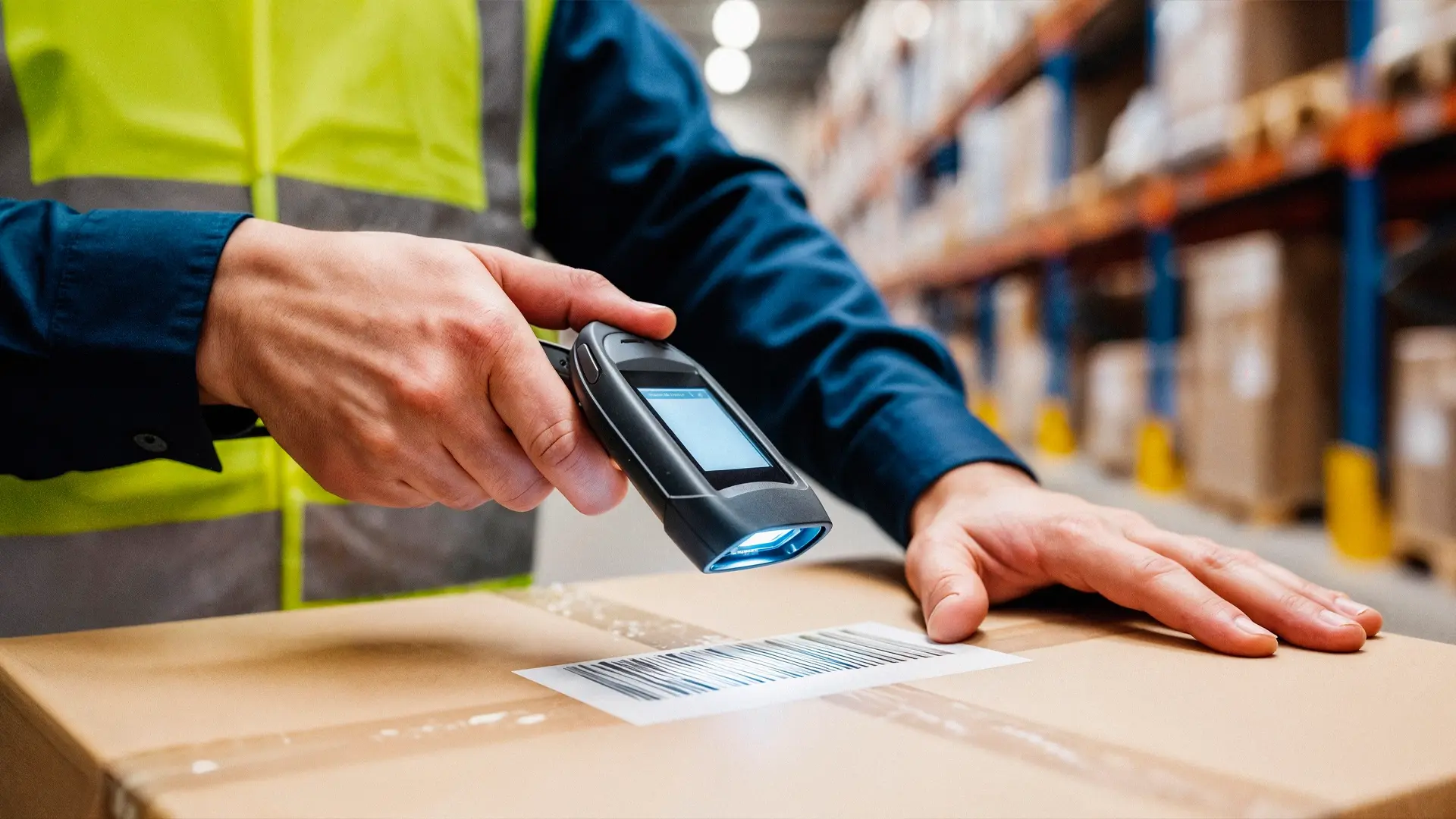
Import Clearance Procedure in Dubai: Free Zone vs. Mainland
This difference is more important than people think.
If your goods are destined for a free zone, they can be stored, processed, and re-exported without paying customs duty. Duties only apply when goods move from the free zone into the UAE mainland. This makes free zones highly attractive for traders who use Dubai as a transit or distribution hub.
In the case of mainland imports, full duties and VAT are payable at the port of entry. The entry point also matters. Sea imports through Jebel Ali follow specific port procedures, air freight through Dubai Airport follows a different process, and land border crossings have their own set of steps.
Temporary imports, such as goods brought in for exhibitions or short-term use, can be processed under a temporary admission procedure with a guarantee bond instead of full duty payment.
Essential Documents for Dubai Customs Clearance
The following is a fast checklist of the documents normally needed:
- Commercial Invoice (with correct value)
- Packing List (detailed breakdown of contents)
- Bill of Lading or Airway Bill
- Certificate of Origin
- Import Permit (controlled goods such as food, medicine, electronics, etc.)
- Insurance Certificate
- Letter of Credit (where applicable)
Missing or inconsistent documents are the single biggest reason shipments get delayed. Always ensure that the values, descriptions and quantities are the same in all the documents.
Common Challenges in the Dubai Customs Clearance Process
Things can go wrong even with the preparation. The following are the most usual problems that businesses get into:
Incomplete or Incorrect Documentation
Mismatched invoice value, a missing permit or a wrong country of origin can hold your shipment in no time. Minor mistakes cause major delays.
Wrong HS Code Classification
The wrong classification of goods does not only lead to delays. It can result in underpayment of duties, which Dubai Customs takes seriously. This may lead to audit and financial fines.
Restricted or Prohibited Goods
Certain products require pre-approval from other UAE government bodies before they can be imported. Food items need MOCCAE approval. Medicine needs MOHAP clearance. TRA certification may be required on electronics. Arriving without these permits means the goods go nowhere.
Undervaluation of Goods
A declaration of a lower value that lowers the duty payments is a red flag on the part of the customs authorities. When identified it leads to penalties and repeated offences may harm your import record.
Delays in Duty Payment
As soon as a shipment arrives, ports and airports begin to charge storage. Any delay in payment, even one or two days, is a real cost.
Regulatory Changes
UAE customs regulations are updated periodically. A procedure that worked last year might have a new requirement today. Keeping up with such changes is an aspect that most businesses ignore until they are in a hold.
How to Keep the Process Running Smoothly
A few practical steps go a long way:
- Hire a registered customs broker with an in-depth understanding of the Dubai system.
- Always verify your HS codes before shipping. Use the UAE customs tariff schedule or consult a specialist.
- Ensure all the documents narrate the same story. Mismatches between your declaration, packing list and invoice are the usual cause of inspections.
- Use the Dubai Trade portal to pre-verify your declarations before submission.
- Follow the developments at Dubai Customs and Federal Customs Authority.
Businesses dealing with regular or high-volume imports will find a difference partnering with a trusted provider of custom clearance in Dubai. A professional clearance agent reduces errors, speeds up processing, and keeps you compliant without adding pressure on your internal team.
Final Thoughts
The Dubai custom clearance process is comprehensive in nature. Dubai deals with a phenomenal amount of international trade, and the system is designed to keep that trade flowing and to make sure that each delivery is duly declared, evaluated and in compliance.
Preparation is the key to importers. Get to know your documents, the duty structure, how to classify your goods properly and keep up with any changes in regulation that may apply to your line of products.
In case you prefer to concentrate on your business rather than on paperwork and compliance issues, having a team of knowledgeable personnel to handle your custom clearance in Dubai gives you that flexiblity. The right support does not only get your goods cleared more quickly; it helps you to avoid the expensive errors that you would have avoided to begin with.
FAQs
What is the Dubai customs clearance procedure for first-time importers?
Register on Dubai Trade portal, prepare documents, file a customs declaration, pay duties, and await cargo release through Dubai Customs.
How long does the Dubai customs clearance process take?
The Dubai customs clearance process typically takes 24 to 48 hours, provided all documentation is complete and accurate upon submission.
What documents are required for the import clearance procedure in Dubai?
The import clearance procedure in Dubai requires a commercial invoice, packing list, bill of lading, certificate of origin, and relevant import permits.
What are the standard duty rates under Dubai customs procedures?
Dubai customs procedures apply a standard 5% import duty on CIF value, plus 5% VAT on most imported goods.